
Bedtime is when everything surfaces.
The child who seemed fine all day suddenly cannot stop crying. The worry that was manageable at school becomes enormous in the quiet of a dark bedroom. The thing that happened at lunch — that they did not mention at dinner, that they seemed to have forgotten — arrives fully formed at 9pm and will not let them sleep.
This is not unusual. It is not manipulation. It is the predictable result of how children's nervous systems work.
During the day the constant stimulation of school, activity, and interaction keeps the processing system occupied. The difficult feelings, the unresolved worries, the things that need to be thought about — they queue up at the edges of awareness, waiting for a quiet moment. Bedtime is the first quiet moment most children have all day.
The feelings do not arrive at bedtime because children are trying to avoid sleep. They arrive because bedtime is finally safe and still enough for them to be felt.
A mindful bedtime routine does not prevent this from happening. But it creates a structured, warm, predictable container for it — so that the surfacing feels manageable rather than overwhelming, and so that children develop the tools to process what arrives rather than being consumed by it.
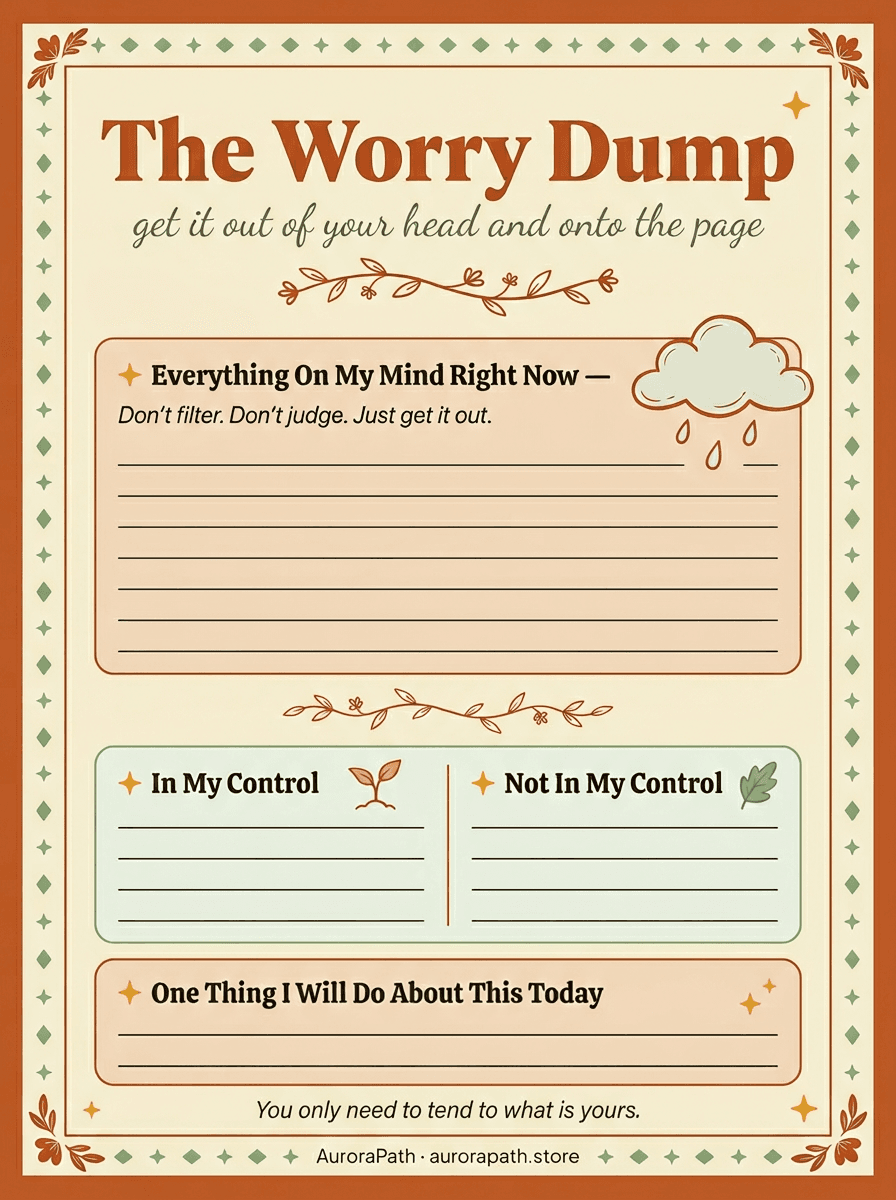
Why Bedtime Matters for Emotional Processing
Sleep is not just rest. It is active processing — the brain consolidates memories, integrates emotional experiences, and essentially files the day during sleep. The quality of that processing is significantly influenced by what happens in the hour before sleep.
Children who go to sleep in a state of unresolved emotional activation — still carrying the tensions and worries of the day without having had an opportunity to process them — often sleep less deeply, wake more frequently, and carry those unprocessed feelings forward into the next day.
Children who have had even a brief opportunity to name what they are feeling, release some of the physical tension the day has accumulated, and feel genuinely connected to a safe adult before sleep — sleep more deeply and wake more regulated.
The mindful bedtime routine is not primarily about getting children to sleep faster. It is about giving them the conditions for genuine rest — physical, emotional, and psychological.
The Routine — Flexible Enough for Real Evenings
This routine takes approximately fifteen minutes. It is designed to be flexible — to survive the evenings when there is not enough time, when everyone is tired and short-tempered, when the ideal version is not possible. Even two or three elements done imperfectly is better than nothing.
The physical wind-down — five minutes.
The body needs to be prepared for sleep before the mind can follow. Screens off at least thirty minutes before the routine begins — ideally longer but thirty is the non-negotiable minimum. Blue light suppresses melatonin production and the stimulating content of most screens activates rather than calms the nervous system.
A short physical wind-down helps the body transition from the activity state of the day to the rest state of sleep. This does not need to be a formal yoga session. Five minutes of gentle stretching — arms overhead, a forward fold, lying on the back and pulling knees to chest — is enough to begin releasing the physical tension that accumulates during a full day of school and activity.
For children who resist stretching — gentle massage of the shoulders and back, or even just sitting close with physical contact, activates the same parasympathetic response. The goal is physical warmth and release, not a specific technique.
The day review — three minutes.
A simple check-in that gives the day's experiences somewhere to go before sleep. Three questions, asked warmly and without pressure for a particular kind of answer:
What was the hardest part of today? What was one good moment — even a small one? Is there anything still on your mind that you want to say out loud?
The third question is the most important. It creates an explicit invitation for whatever is waiting at the edges — the worry about tomorrow, the thing that happened at school, the feeling that does not have a name yet. You are not trying to solve anything that comes up. You are just creating space for it to be said.
A child who says what is on their mind and has it received without alarm or immediate problem-solving often finds that the saying itself reduces its weight significantly. The worry does not disappear. But it has been witnessed by someone safe. That changes its quality.
The breathing practice — two minutes.
One breathing technique, done consistently every night until it is automatic. Consistency matters more than variety here. The goal is for the technique to become so familiar that the body begins to associate it with the transition to sleep — so that eventually just starting the breath is enough to begin the physiological shift toward rest.
Star breathing works well for this age group — tracing the points of a star slowly while breathing in going up to each point and out coming down. Five points, five breath cycles, approximately ninety seconds. It is visual and tactile enough to hold a child's attention and simple enough to do when tired.
The connection close — two minutes.
The last thing before sleep should be genuine connection. Not a task, not a reminder, not a correction. Just warmth.
This can be a brief story — even a few minutes of a chapter book. It can be a simple ritual — a specific phrase said every night that signals safety and love. It can be lying together in the quiet for a moment before you leave.
The specific form does not matter. What matters is that the last experience before sleep is one of warmth and connection rather than logistics or conflict. The nervous system consolidates this during sleep. A child whose last waking experience is one of safety and love goes to sleep in a fundamentally different physiological state than one whose last experience is a disagreement about screen time.
When the Routine Falls Apart
Real evenings are chaotic. There will be nights when the routine is impossible — when everyone is exhausted and irritable and just getting teeth brushed feels like an achievement. There will be nights when the check-in opens something big and the fifteen-minute routine becomes forty-five minutes because your child needed to talk.
Both of these are fine.
The routine is a container, not a constraint. Its purpose is to provide enough structure and predictability that children know what to expect — that the transition to sleep is a safe, warm, consistent experience. It does not have to be perfect to achieve that purpose.
A simple repair after a difficult evening is worth more than any routine done perfectly. I know tonight was hard. I love you. Sleep well. Thirty seconds of genuine warmth before sleep is always available, whatever else the evening brought.
The Long Game
The mindful bedtime routine is not primarily about tonight's sleep. It is about building, over months and years, a child who has a healthy relationship with their own inner life — who knows that big feelings can be named and survived, that there is always a safe person to talk to, and that the end of each day is a moment of genuine rest and connection rather than one more demand to manage.
That is the long game. And it is worth playing.
Related reading: helping a child with nighttime worries and the 90-second feelings check-in.
Grow Calm includes a personal journal page for every single one of its 30 days — giving children a structured space to process their experiences, name their feelings, and reflect on their growth. Many families make completing the journal page part of their bedtime routine. Learn more at aurorapath.store/grow-calm.
From the AuroraPath Store
Grow Calm
A 30-day mindfulness challenge for kids aged 7–11. 96 beautifully illustrated pages — instant download.
$15.99
Get Grow Calm →Instant PDF download · Print at home
AuroraPath
Creator of AuroraPath
Alex Ewing created AuroraPath to make premium mindfulness resources accessible for every family. Grow Calm is the first book in the AuroraPath collection.